Display glass protection
Storefront Window Film in Boston
A Boston storefront window works hard: it sells to foot traffic, lights the shop and takes sun bouncing off brick and snow. Storefront film protects what is on display without dulling the view in.
 Boston
 Retail Streets That Need Storefront Window Film
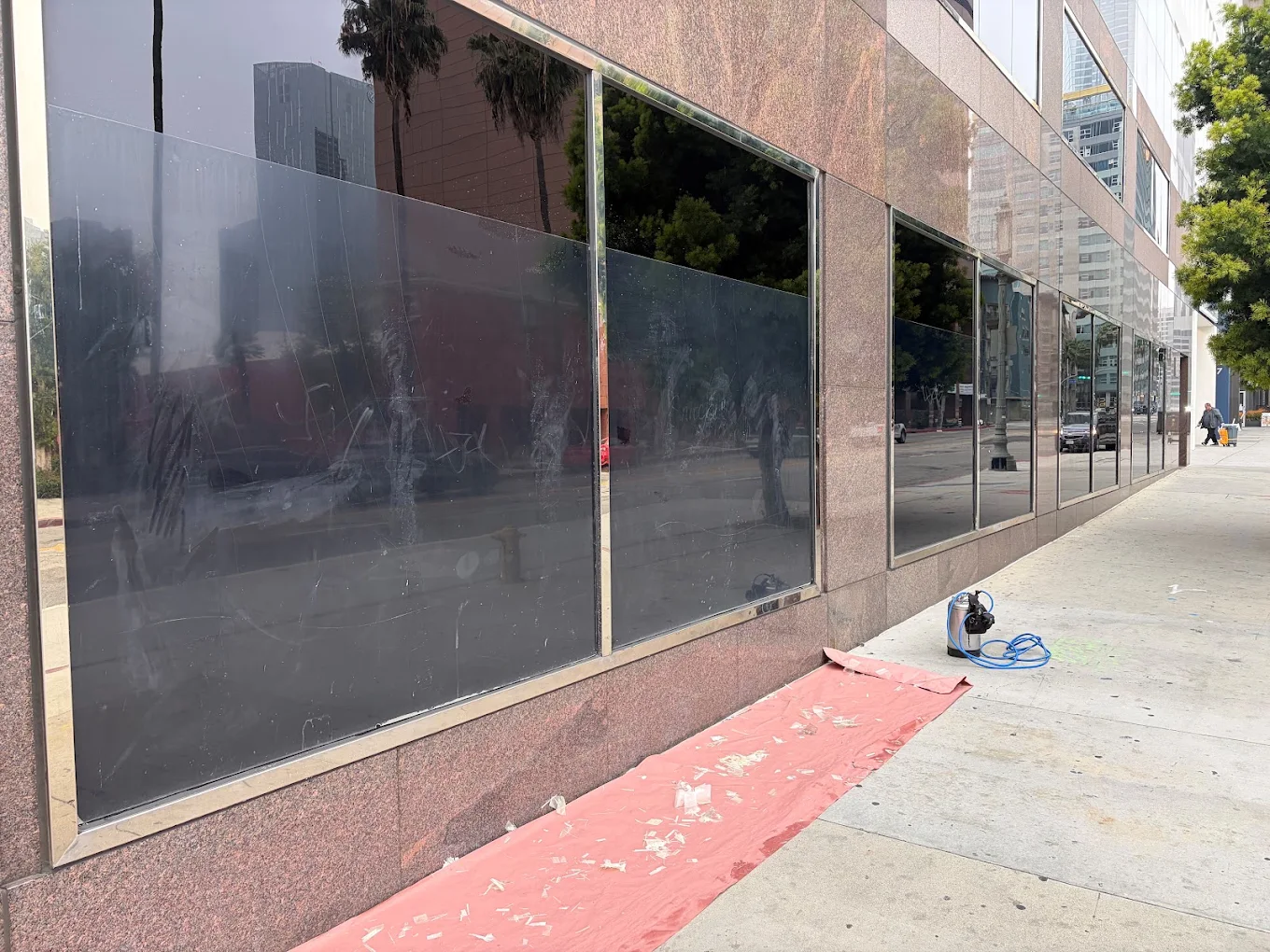
Boston's retail is mostly street-level and walkable. Newbury Street runs through Back Bay with boutiques, galleries and salons in the lower floors of old brownstones. Boylston Street, Downtown Crossing and Washington Street carry larger stores. Hanover Street in the North End is lined with cafes, bakeries and restaurants. Neighborhood main streets such as Centre Street in Jamaica Plain, Broadway in South Boston and Harvard Avenue in Allston add hundreds of smaller shops, and Davis Square, Coolidge Corner and Harvard Square do the same just outside the city.
Most of these storefronts face the sidewalk directly with large single-pane or older insulated display glass, often in historic buildings. Owners want shoppers to see in clearly, which rules out heavy tint. What they need is protection for merchandise, comfort for staff and customers, and sometimes privacy or graphics on part of the glass.
UV and Fading Protection for Boston Window Displays
Merchandise sitting in a sunny window loses color steadily. Clothing, books, packaged goods, shoes and furniture all fade, and the damage is often noticed only when an item is moved and the outline shows. Clear UV film blocks nearly all ultraviolet light, the biggest single factor in fading, without visibly changing the glass. Displays look the same from the sidewalk.
Where a shop window catches hard sun in the afternoon, owners often step up to a light solar film, which trims heat and some visible light along with the UV. That slows fading further and keeps the space near the window comfortable. Galleries and furniture stores on Newbury Street and in the South End often choose this combination, since their stock is expensive and slow to turn over. We bring samples so owners can compare how each film looks from the street before deciding.
Comfort and Glare Control for Boston Cafes and Restaurants
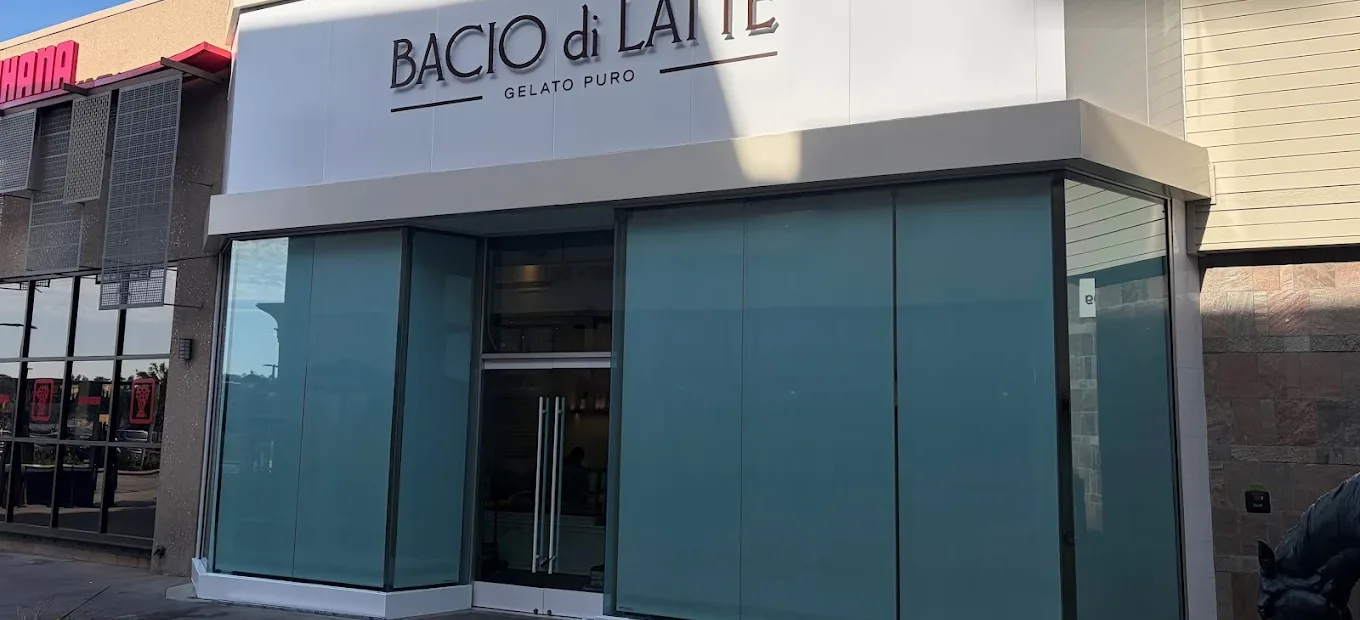
Restaurants with big front windows face two seasonal problems. In summer, west-facing dining rooms heat up during early dinner service, and patrons by the window ask to move. In winter, low sun hits tables and point-of-sale screens at an angle that blinds staff for an hour or more. Glare film and light solar film help with both while keeping the room visible and inviting from the street.
Cold drafts near single-pane storefront glass are a winter complaint too. Film will not fix air leaks around old frames, but a low-E film turns part of the dining room's warmth back at the pane and makes window tables feel less chilly. For a busy Hanover Street or Tremont Street restaurant, that can make the front tables more popular in January, when the room is full of people in coats waiting for a seat.
- Clear UV film for merchandise and artwork
- Light solar film for sunny display windows
- Glare film for point-of-sale and dining rooms
- Low-E film for cold storefront glass in winter
Storefront Graphics, Privacy Bands and Landlord Rules
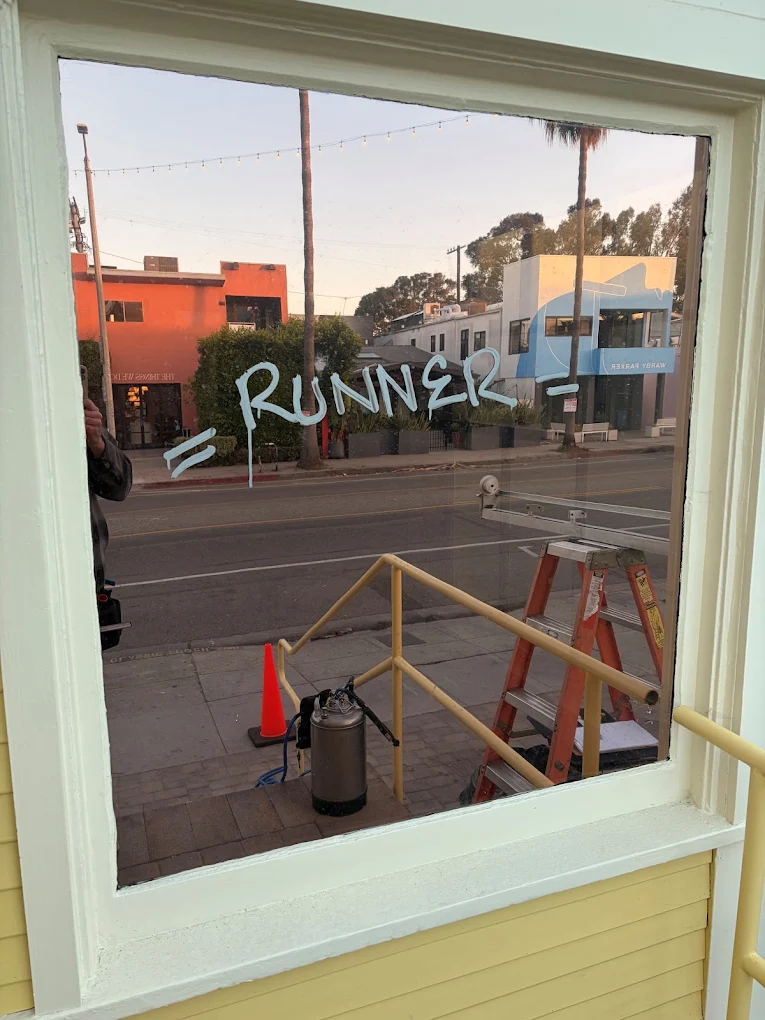
Many storefronts use film for more than protection. Frosted bands hide back-of-house areas, fitting rooms or treatment rooms in salons and clinics. Cut vinyl graphics carry store names, hours and logos. Seasonal decorative film changes the look of a window without paint. All of these remove cleanly when the shop changes direction or a tenant moves out.
Storefronts in historic districts and in buildings with strict leases need extra care. Commission rules in Back Bay and the South End can apply to storefront changes, and landlords often control signage and glass treatments. We provide samples and specs, and we suggest owners confirm requirements before scheduling. Installs happen before opening or after close so the shop never has to shut its doors.
Storefront Window Film Benefits for Boston Retailers
Storefront UV Film That Slows Fading
Blocking nearly all UV keeps window merchandise and display props looking fresh longer, reducing markdowns on sun-faded stock and the cost of replacing fixtures.
Clear Display Glass From the Sidewalk
Clear and light films keep displays easy to see, so shoppers walking Newbury or Hanover Street still get a full view of what is inside.
Comfortable Window Seats in Boston Restaurants
Solar and low-E films cut summer heat and winter chill at the glass, so window tables fill up in July and January alike.
Removable Storefront Graphics and Privacy Film
Frosted bands and cut graphics come off cleanly, so retailers can rebrand or return a space to its original condition at the end of a lease.
Storefront Window Film Questions From Boston Shop Owners
Will storefront film make my window display harder to see?
Clear UV film is very hard to notice. Light solar films reduce brightness slightly but keep displays visible. Step outside with a sample taped to the glass and look at the display the way a shopper would.
Can you install storefront film without closing the shop?
Yes. Most storefronts are done before opening or after close. Small shops often take only a few hours.
Do I need landlord or commission approval for storefront film?
Often yes for anything that changes the look of the glass. Leases and, in some districts, commission rules apply. We provide specs and samples for review.
Does film stop all fading of merchandise?
No film stops it completely, since visible light and heat also cause fading. UV film removes the largest factor, and adding solar film slows it further.
Window film quote
Get a Storefront Window Film Quote in Boston
Send the shop address, a photo of the storefront and rough glass sizes through the quote form, and say whether the trouble is fading, heat, glare or privacy. Options and pricing come back by email.
Prefer email? info@windowfilmboston.pro