
Film for overheated rooms
Heat Control Window Film in Boston
Short, sticky Boston summers make the same rooms miserable every year: the top floor, the west side and anything under a skylight. Heat control film targets those windows without starving the rest of the house of winter sun.
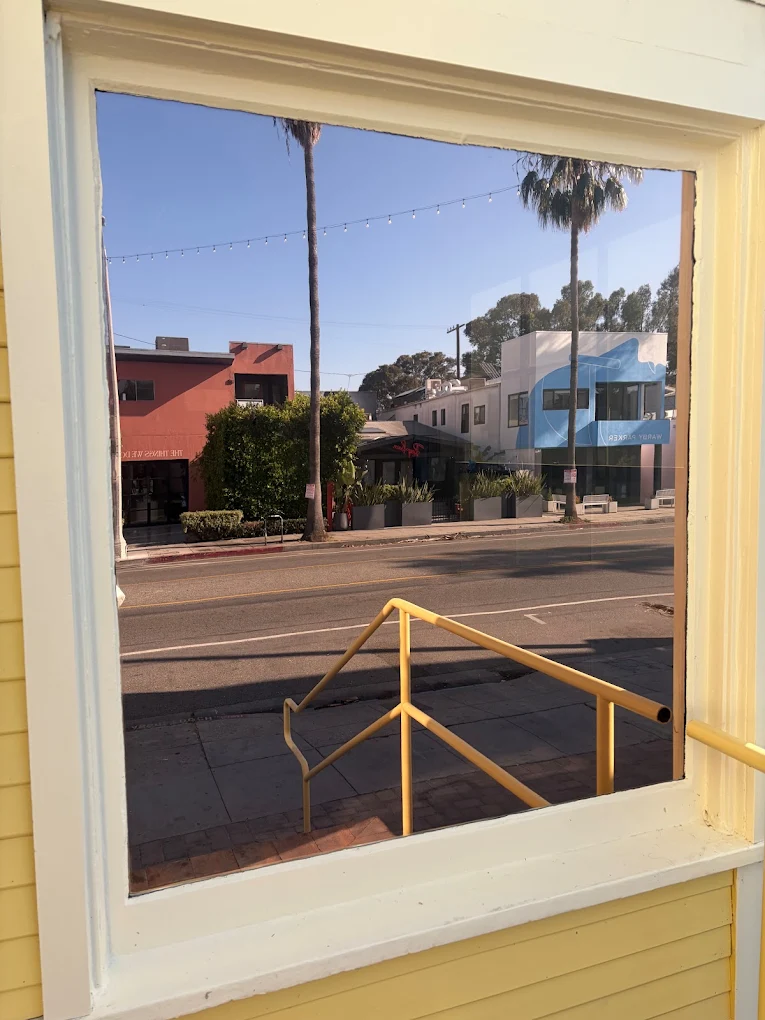 Boston
Where Summer Heat Gets Into Boston Homes
On a humid August afternoon, the worst rooms in a Boston house are usually the ones closest to the roof and facing west. A top-floor triple-decker unit in South Boston or Somerville gets heat from the roof deck above and from sun slanting through the windows after lunch. Penthouse condos in converted Back Bay buildings, attic bedrooms in Jamaica Plain Victorians and glass sunrooms added to suburban colonials all share the same pattern.
Plenty of older Boston apartments still cool with a window unit, and a unit wedged into one sash cannot keep pace when the next sash over is letting in full afternoon sun. Central systems in renovated condos run longer on those afternoons, and upstairs rooms stay warmer than the thermostat downstairs. Heat control film works at the window itself, rejecting part of the infrared energy before it reaches floors, furniture and people.
Heat Control Film Options for New England Glass
There are three broad families. Dyed and lightly tinted films reduce brightness and some heat. Reflective films, often with a silver or bronze cast, reject more heat but change how the glass looks from outside and inside. Spectrally selective films use metal or ceramic layers tuned to block infrared while letting most visible light pass, so the room stays bright and the glass looks close to normal.
For most Boston homes, spectrally selective film is the right starting point. It handles summer heat well, keeps rooms bright through short winter days, and looks unremarkable from the street, which matters on any block with an architectural commission or a strict condo board. Reflective film still has a place on hidden rear elevations and skylights where nobody cares how the glass looks.
- Spectrally selective film for living spaces and visible facades
- Stronger reflective film for skylights and hidden rear glass
- Low-E heat control film where winter heat loss is also a concern
- Separate film choices room by room in the same house
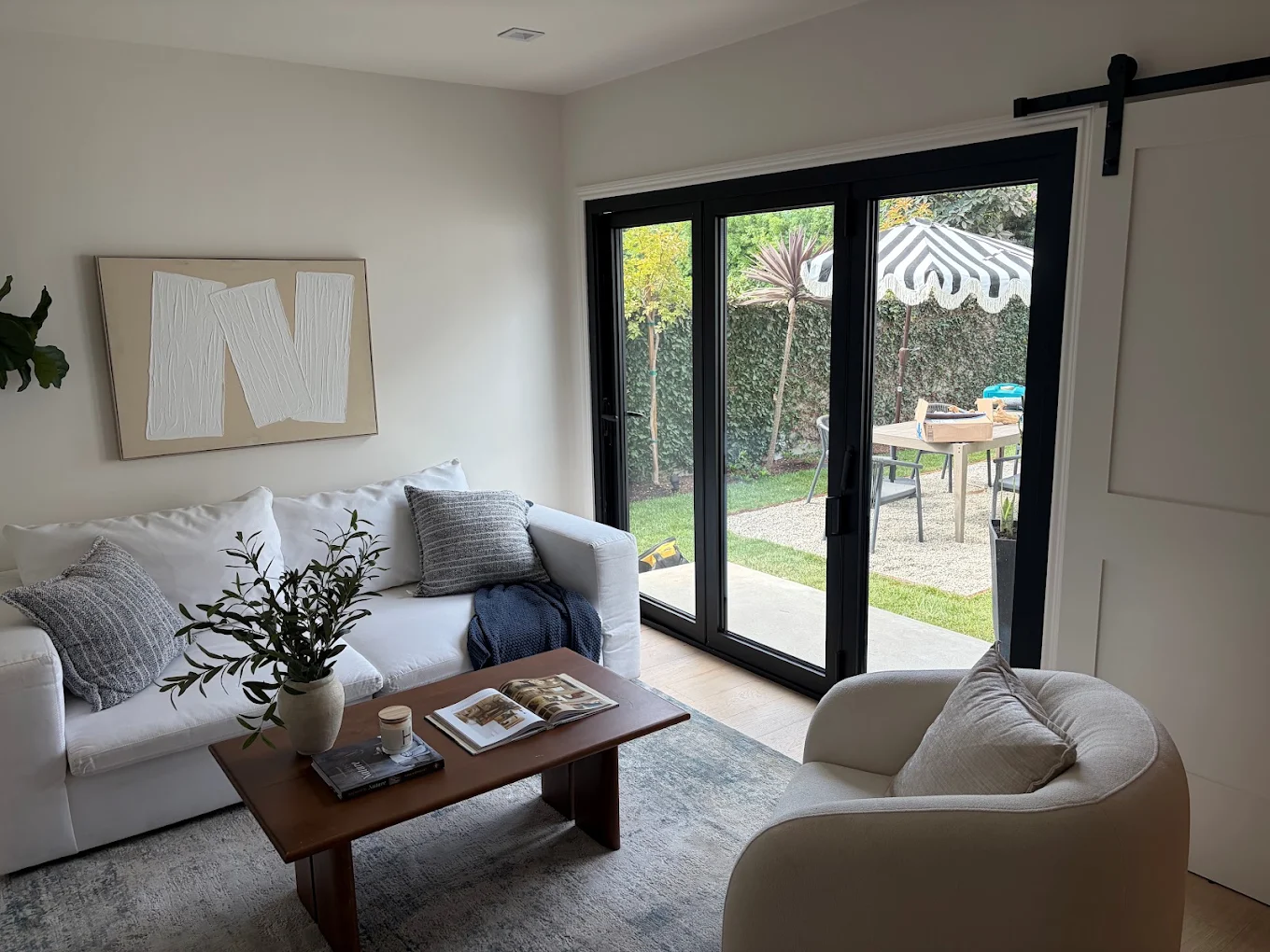
Balancing Summer Heat Control With Winter Sun in Boston
Here is the catch with heat control in a cold city. The same south window that overheats a room in August can deliver useful warmth in January, when the sun sits low and shines deep into the house. Block too much of that and you may notice the heating system running more. That trade-off is why we rarely recommend a single film for every window in a Boston home.
West windows are the easy call. They take the strongest summer sun late in the day and contribute little in winter, since afternoon light in December is brief. Skylights also lean toward heat control because they take high summer sun nearly straight on. South glass gets a closer look: if the room overheats in summer, a selective film often helps without killing winter gain. North glass mostly benefits from low-E film for winter comfort.
Heat Control Film on Double-Pane and Older Single-Pane Windows
Glass type sets limits. Single-pane glass in older Boston homes accepts most films, though very old or already-cracked panes need care. Double-pane units are more sensitive, because absorbing film warms the inner pane while the outer pane stays cold. That difference is larger on a sunny January day, when the outer pane might be near freezing. The film has to suit the glass to keep thermal stress in a safe range.
We look at the edges of the glass for a factory low-E coating, check whether panes are tempered or laminated, note seal condition, and compare the result with the film maker's compatibility guidance. If a window has a partial shadow from a porch roof or neighboring building, we take that into account too, since uneven heating adds stress.

Heat Control Window Film Results in Boston Homes
Heat Control Film for West-Facing Rooms
Heat control film rejects a large part of the infrared energy coming through west glass, so bedrooms and living rooms do not climb as far on August afternoons. Window units and central systems keep up more easily.
Skylight and Sunroom Heat Control
Overhead glass takes summer sun almost straight on. Film on skylights and sunroom roofs trims that load, making renovated top floors and glass additions usable on hot days instead of only in spring and fall.
Heat Film That Keeps Winter Rooms Bright
Spectrally selective film rejects heat while letting most visible light through, so you are not trading summer comfort for a gloomy house from November to March, when daylight is already short.
Heat Control Film That Fits Boston Facades
Neutral films look close to plain glass from outside, which suits condo boards and Boston's historic district commissions far better than mirrored tint.
Heat Control Window Film FAQs for Boston Homes
Does heat control film cost me winter warmth on south windows?
It can reduce useful winter sun on south glass if the film is dark or reflective. That is why we match films to each elevation and often pair heat control on west glass with low-E film elsewhere.
Is heat control film safe on double-pane windows?
On most units, yes, when the film is suited to the glass. Cold winter outer panes and sun-warmed inner panes create stress, so the glass gets identified and matched to the film maker's published limits before anything is ordered.
Can heat control film go on skylights?
Yes. Skylights are one of the best uses for it. Access and glass type decide the approach, and we check whether the skylight has laminated glass, which is common overhead.
Does heat control window film help with window air conditioners?
It reduces the solar heat the unit has to remove, so a window AC in a sunny room can keep the space cooler. It does not change the size of the unit, so an undersized one may still struggle.
How dark does heat control film look?
Spectrally selective films are close to clear. Reflective options are darker or mirrored. Samples taped to your own windows at four in the afternoon tell you more than any brochure.
Heat Control Window Film Service Areas in Boston
Window film quote
Request a Heat Control Window Film Quote in Boston
List the rooms that overheat, which way their windows face and roughly how big they are on the quote form. Photos help. We will suggest film by room and send pricing.
Prefer email? info@windowfilmboston.pro