
Heat-rejecting commercial film
Solar Control Window Film in Boston
Boston's glass towers and atriums take more summer sun than the city's reputation suggests, and harbor and river reflections double it on some floors. Solar control film cuts that load where it lands.
 Boston
Solar Heat Gain in Boston Commercial Buildings
Boston buildings are usually discussed in terms of heating, yet glass-heavy commercial space often needs cooling for much of the year. Large floor plates, computers, lab equipment and people generate heat inside, and sunny glass adds to it. On a clear July afternoon, the west face of a Seaport or Back Bay building carries a heavy solar load, and perimeter cooling has to work hard to hold setpoint.
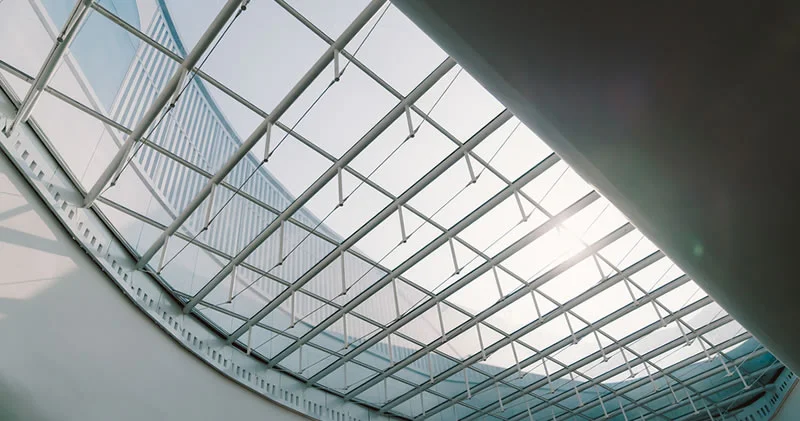
Water adds a twist. Floors facing Boston Harbor, Fort Point Channel or the Charles River get reflected sun bouncing up off the water in addition to direct sun. Lower floors near open plazas pick up reflections from paving and neighboring glass. Atriums and skylit lobbies take high summer sun almost straight on. Solar control film is designed for exactly those surfaces.
Older towers in the Financial District often have single-glazed tinted or reflective glass from the era they were built, and those floors can be the hardest to cool. Newer Seaport and Kendall Square buildings usually have better insulated units, but they also have far more glass per floor. Both types end up with the same tenant complaint on summer afternoons, and both can benefit from a film chosen to suit their glass.
Solar Control Film Types for Boston Glass
Solar control film rejects solar energy by reflecting and absorbing it at the glass. Reflective films, in silver, neutral or bronze tones, reject the most heat but change the look of the facade. Spectrally selective films use metal or ceramic layers that reject infrared while letting through much more visible light, keeping interiors bright. Dual-reflective films look more reflective outside than inside, which helps with views at night.
In Boston, we pay close attention to the winter side of the equation. A film that rejects a lot of solar heat also blocks winter sun that offsets heating on south elevations. For buildings with a real heating load, we often recommend solar control only on the elevations that overheat, and low-E film or a selective product elsewhere. That keeps the building balanced through the year.
- Reflective films for the hottest elevations
- Spectrally selective films where daylight matters
- Dual-reflective films for evening views
- Elevation-by-elevation specs for year-round balance
Thermal Stress and Cold-Weather Glass Checks
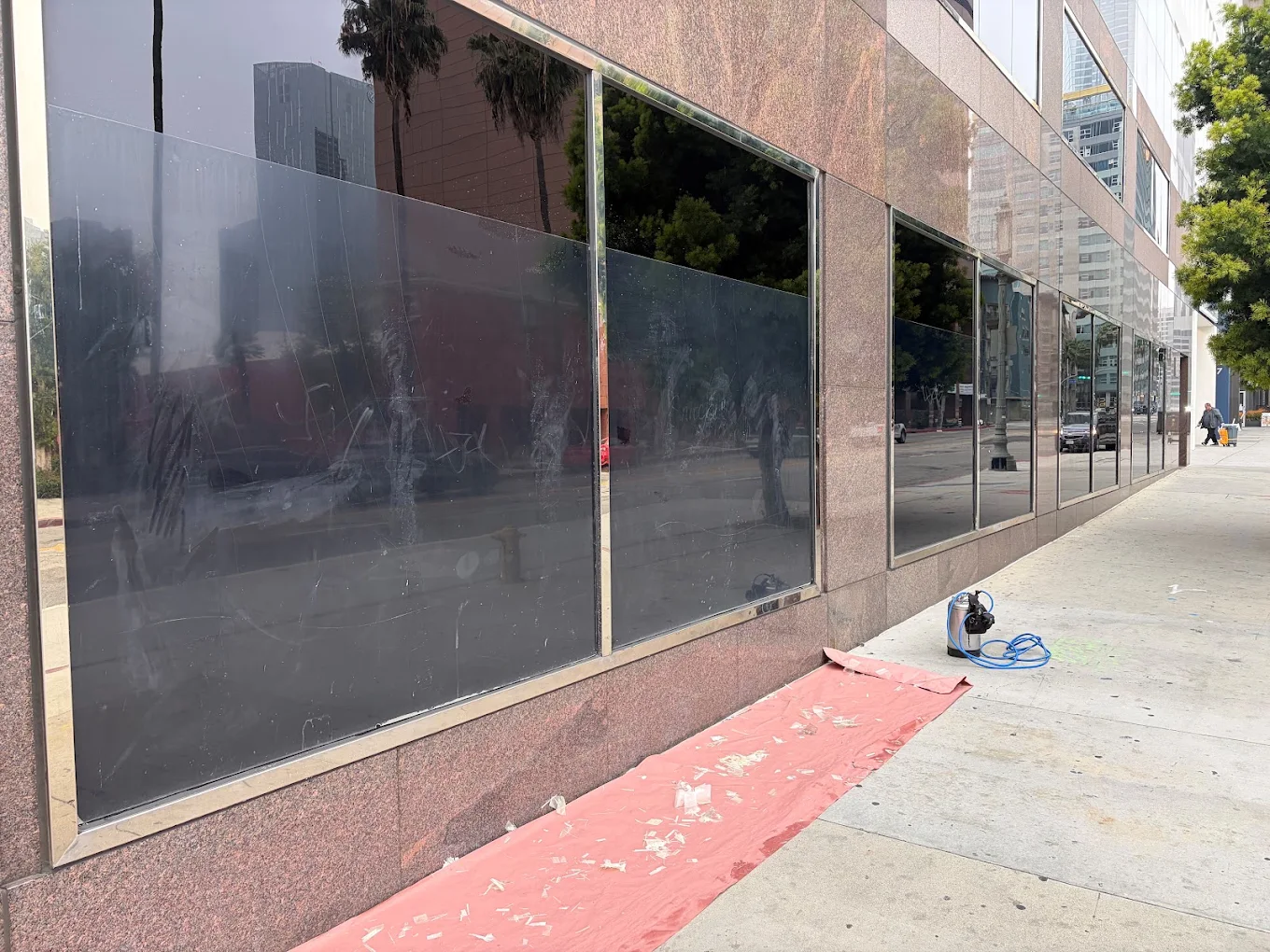
Any film that absorbs solar energy raises the temperature of the glass. In winter, a sunny curtain wall can have an outer pane near freezing and an inner pane warmed by sun and film. Shadows from mullions, neighboring buildings or interior shades create uneven heating across the pane. Those conditions raise the risk of thermal stress cracks if the film does not suit the glass.
We identify the glass type and makeup, look for factory coatings, review frame and shading conditions, and compare the combination with the film maker's published guidance before recommending a product. On large or unusual glazing, we review the proposal with the building engineer. This step takes time but protects the building and the film warranty.
Solar Control Film, BERDO and Building Operations
Lower solar gain means lower peak cooling load on perimeter zones, which reduces chiller and fan energy and can help keep equipment within capacity on the hottest days. Under BERDO, where large Boston buildings report their energy use and work toward falling emissions limits, every reduction in electricity and fuel shows up in the numbers.
Solar film is one measure among many, and we keep claims modest. We supply product data that energy consultants can use to estimate savings for a specific building, and we document what was installed on which elevations. For owners planning broader retrofits, film is often a quick early step while larger projects are designed and funded.
How Solar Control Window Film Helps Boston Buildings
Solar Film for Lower Perimeter Cooling Loads
Solar control film reduces heat gain on west and south glass, so perimeter zones hold setpoint on July afternoons and cooling equipment runs less hard.
Glare Control for Harbor and River Views
Film tames direct sun and reflections off Boston Harbor and the Charles, keeping offices usable without closing blinds on the view.
Atrium and Skylight Solar Control
Overhead glass takes summer sun nearly straight on. Film on atriums and skylights keeps lobbies and common areas comfortable on hot afternoons.
Solar Film Specs That Respect Winter Sun
Elevation-specific specs reject summer heat where it hurts and preserve useful winter sun elsewhere, keeping Boston buildings balanced through the year.
Solar Control Window Film FAQs for Boston Buildings
Will solar control film make our building colder in winter?
It can reduce useful winter sun on south glass. That is why we usually limit stronger solar film to the elevations that overheat and use low-E or selective films elsewhere.
Can solar control film go on curtain-wall glass?
Often yes, if the film suits the specific glass. We check the makeup and the film maker's guidance to manage thermal stress, especially on cold sunny days.
Will the facade look different from outside?
Reflective films change the look. Spectrally selective films look close to the original glass. Building rules and lease terms usually guide the choice.
How much energy will solar control film save?
It depends on the building, glass, orientation and systems. We provide data that your energy consultant can use for a building-specific estimate.
Solar Control Window Film Service Areas in Boston
Window film quote
Request a Solar Control Window Film Proposal in Boston
Share the building address, which elevations overheat and any glass or drawing information through the quote form. We will reply with a film proposal and pricing.
Prefer email? info@windowfilmboston.pro