
Kendall to Harvard Square
Window Film in Cambridge, MA
Cambridge holds some of the densest lab and office glass in New England around Kendall Square, plus storefronts along Mass Ave and streets of Victorians and triple-deckers. Film here handles glare, privacy, summer heat and winter heat loss.
 Cambridge
Window Film for Kendall Square Labs and Offices
Kendall Square, beside MIT and the approach to the Longfellow Bridge, is close to solid glass: research labs, life-science offices and newer towers along Main Street and Binney Street. Lab floors bring window problems of their own. Instruments and monitors at the perimeter suffer from glare, some rooms must not be visible from the street, and the mechanical systems are already working hard to condition large volumes of outside air.
Solar control film trims heat gain on the sunny elevations, which takes some load off perimeter cooling through humid Cambridge summers. On interior glass, frosted or gradient film screens bench areas and meeting rooms from corridors while daylight still crosses the floor. Many of these buildings use insulated, coated curtain-wall units, and the glazing makeup gets checked against building records before we name a product.
Timing inside a lab follows the tenant's safety and operations rules. We work around controlled rooms, follow escort or gowning requirements where they apply, and schedule outside experiment hours when the lab manager asks.
Cambridge Crossing and East Cambridge Office Window Film
Cambridge Crossing, built on former rail yards near Lechmere, added a new district of lab, office and apartment buildings with heavily glazed facades. Tenants moving into new space often learn after move-in which side of the building catches the afternoon glare. Film is one of the few fixes that can be added to a finished suite without touching the facade, the ceiling or the shade pockets.
New developments come with rules. Leases and building standards here typically control what can be seen from outside, so we propose low-reflectance films that keep the exterior uniform and send product data and a physical sample to the property manager for approval before booking the freight elevator.
Storefront Window Film in Harvard Square and Central Square
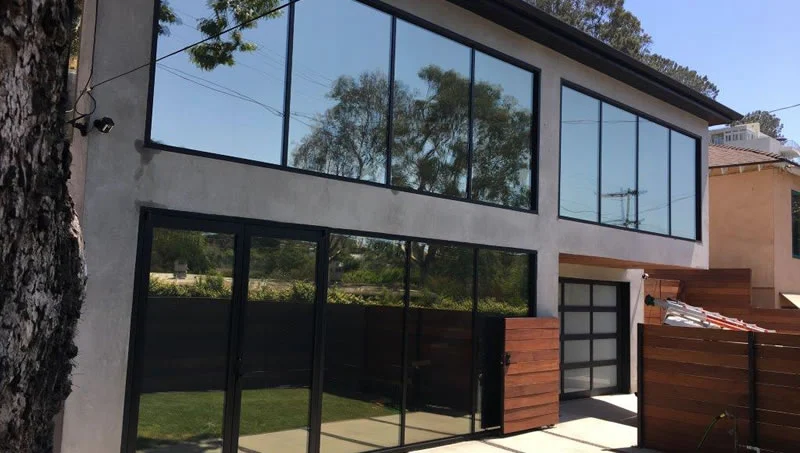
Along Massachusetts Avenue, Harvard Square and Central Square are lined with bookstores, restaurants, clothing shops and cafes in older brick and stone buildings. Display windows on the sunny side of the street take light through most of the winter day, when the sun stays low. Clear UV film slows fading on book jackets, fabric and signage while leaving the window looking untreated.
Anti-graffiti film protects lower panes from etching, and decorative film handles hours, logos and privacy bands on back-of-house windows. Much of Harvard Square falls within a conservation district administered by the Cambridge Historical Commission, so changes to how a storefront looks may need review. Interior, near-clear film is usually the simplest route, and we provide samples for any review that applies.
Window Film for Cambridge Victorians and Triple-Deckers
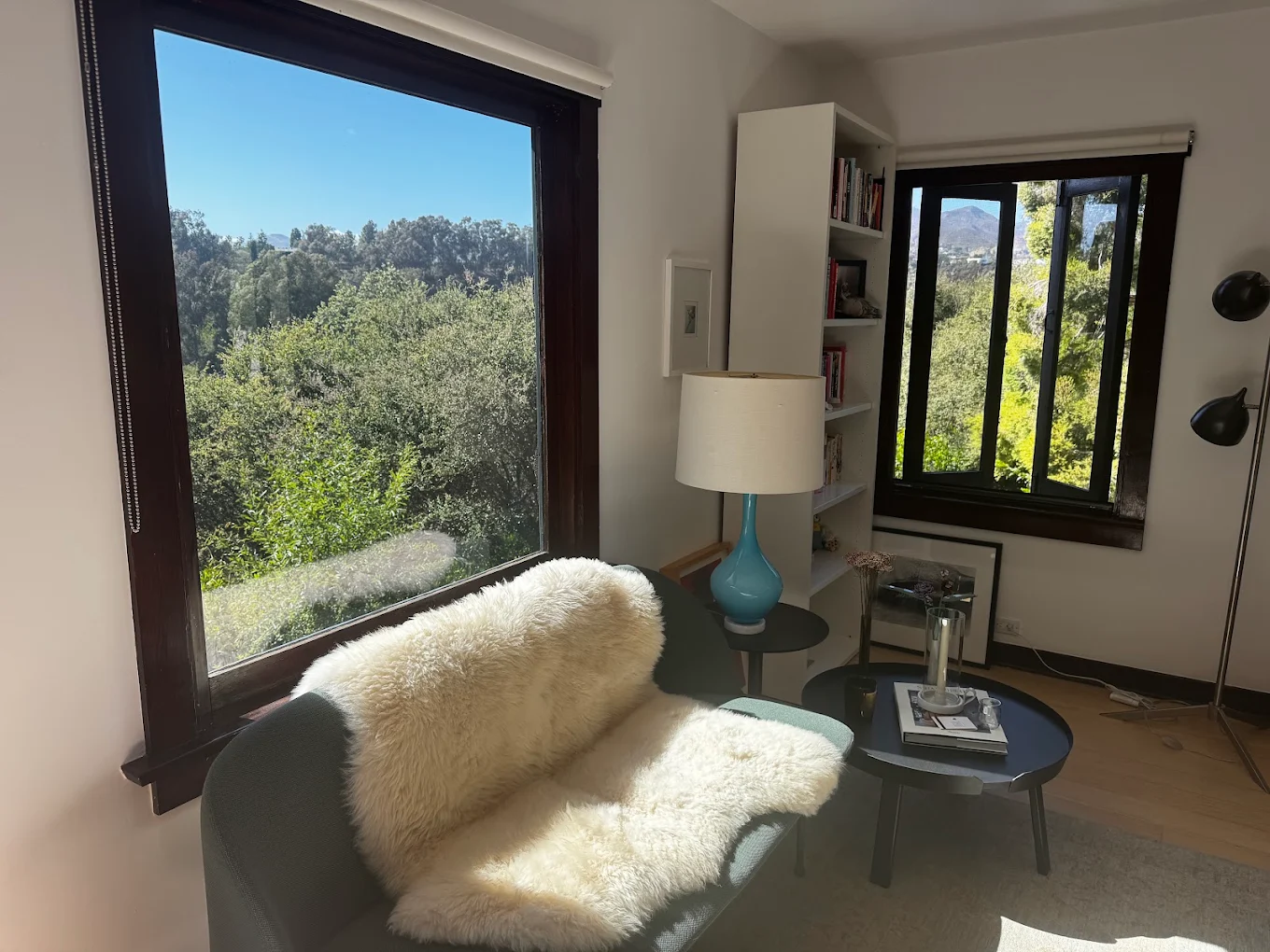
In Mid-Cambridge, Cambridgeport, Agassiz and North Cambridge, most houses are wood-frame Victorians, two-families and triple-deckers on tight lots. Bay windows and tall double-hung sashes bring in welcome winter sun, then give that warmth back to the night. Low-E film on the primary sash keeps more radiant heat in the room and works alongside the storm windows many of these houses already have.
Privacy is the other driver. Neighbors are close, and many first floors sit nearly on the sidewalk. Frosted or daytime one-way film on the lower sash keeps a room private while light still comes through the top. We check old glass for cracks and loose glazing before applying anything, because a cold pane that heats quickly in the sun is where stress cracks start.
BEUDO Energy Reporting and Window Film in Cambridge
Cambridge's Building Energy Use Disclosure Ordinance, known as BEUDO, requires larger buildings to report their energy use to the city. Film does not change what an owner has to report, but owners looking for practical ways to cut perimeter heating and cooling loads sometimes add it to a list that also includes lighting, controls and envelope work. We supply product performance data an energy consultant can model, and we do not promise a set result.
Electricity in Cambridge comes from Eversource, and in glass-heavy buildings part of the summer peak comes straight through the windows. Reducing solar gain at the glass is one piece of an efficiency plan, not the whole of it.
Cambridge map
Window Film Service Map for Cambridge
Boston Window Film Pros installs residential and commercial window film throughout Cambridge and the surrounding Boston neighborhoods and nearby cities. Send your address area with your quote request and we will confirm scheduling.
Request a Quote in Cambridge →Window Film Benefits for Cambridge Labs, Shops and Homes
Glare Control on Kendall Square Lab Floors
Neutral film cuts the glare that washes out instrument displays and monitors near the curtain wall. Researchers keep daylight and views, and the building exterior stays consistent with the rest of the facade.
Clear UV Film for Harvard Square Shops
Booksellers and clothing shops keep their windows looking open while UV film slows fading on covers, fabric and posters. It is easy to remove if the store changes hands or redesigns.
Low-E Window Film for Cambridge Winters
Low-E film reflects radiant warmth back into rooms through long winter nights and trims solar gain in summer. In older Victorians it pairs with existing storm windows rather than replacing them.
Privacy Film for Cambridge Office and Lab Glass
Frosted, gradient or patterned film screens meeting rooms and sensitive work areas from corridors and the street, while daylight still reaches the interior of the floor plate.
Cambridge Window Tinting for Labs, Storefronts and Houses
Residential Window Film
Cambridge Window Film Questions on BEUDO, Labs and Old Glass
Does window film help a Cambridge building with BEUDO?
BEUDO is a reporting requirement, so film does not change what you report. It can reduce solar heat gain and some winter heat loss at the glass, which may lower the energy use that gets reported. We provide performance data for your consultant.
Do I need Cambridge Historical Commission approval for window film?
Interior film that leaves the window unchanged rarely needs review, but properties in historic or conservation districts should check before making visible changes. Reflective or tinted film seen from the street is the main concern.
Can you install film inside an active lab?
Yes, with the lab manager's rules. We work outside sensitive hours, follow escort and safety requirements, and avoid controlled areas unless cleared.
Is film safe on insulated curtain-wall glass in Kendall Square?
Yes, provided the product is rated for that unit. We read the glazing spec from building records or the spacer stamp and check it against the film maker's published glass guidance before proposing anything.
Will privacy film on my Cambridge triple-decker block the light?
Frosted film scatters daylight instead of stopping it, so the room still feels bright. Many owners film only the lower sash and leave the upper sash clear for sky and sun.
Window film quote
Scope Your Cambridge Window Film Project
Lab managers, landlords and homeowners can start with the quote form: list the elevations or rooms, rough pane sizes and what bothers you. Building standards and drawings can be emailed to info@windowfilmboston.pro.
Prefer email? info@windowfilmboston.pro