
Screening film for close quarters
Privacy Window Film in Boston
Living close together is part of the deal in Boston. Sidewalks run a few feet from front windows, triple-deckers sit a driveway apart, and garden-level apartments look out at ankles. Privacy film changes what people can see without boarding up the light.
 Boston
Common Privacy Problems in Boston Homes
Garden-level and parlor-floor units in South End and Back Bay rowhouses face the sidewalk at nearly eye level, so every passerby gets a glimpse of the kitchen or bedroom. In the North End, apartments over Hanover Street and Salem Street look straight across narrow lanes into a neighbor's windows. Triple-deckers in Somerville, Dorchester and Jamaica Plain often have side windows that line up with the house next door, sometimes close enough to read a calendar on the opposite wall.
Newer buildings have their own version. Seaport and South Boston condos with floor-to-ceiling glass face other towers across a street, and ground-floor units along new streets look out onto busy sidewalks. Bathrooms with clear glass, front doors with glass panels, and shower windows round out the usual list. Curtains solve the problem at night but darken rooms all day.
Types of Privacy Window Film for Boston Rooms
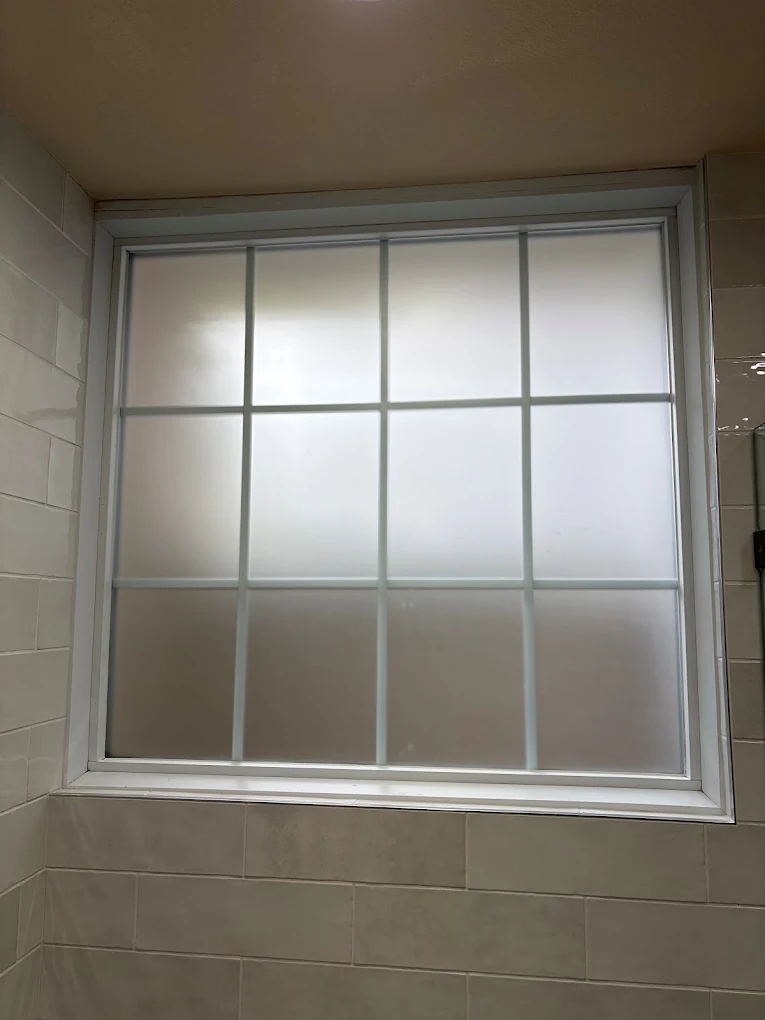
Frosted film gives full-time privacy. It looks like sandblasted or acid-etched glass, lets diffused light through and blocks a clear view in both directions, day and night. Bathrooms, shower windows and the glass in front doors almost always get this type. Gradient film starts opaque near the sill and thins out to clear glass higher up, so a front room on Tremont Street can block the sidewalk view while keeping sky and treetops in sight.
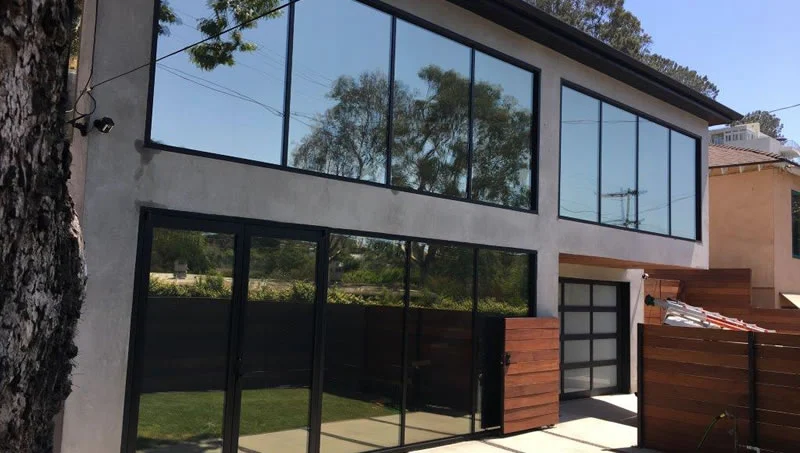
Reflective daytime privacy film works on light. When it is brighter outside than in, the outside face acts like a mirror and people see their own reflection. After dark, once the lamps inside are brighter than the street, the mirror flips to the wrong side and shades have to do the job. Frosted bands across the middle of a pane are a quieter option for kitchens and dining rooms where you want privacy at seated height only.
- Full frosted film for bathrooms and shower glass
- Gradient film for street-level front rooms
- Reflective film for daytime privacy with a clear view out
- Frosted bands at seated height for kitchens and dining rooms
Privacy Film Rules in Historic Districts and Condo Buildings
Reflective film is the type most likely to raise objections from a condo association or one of Boston's architectural commissions, because it looks like a mirror from the street. Frosted film on a bathroom window usually draws less attention, especially on side or rear elevations. Clear glass with a soft frosted band often reads to passersby as old etched glass rather than a modern addition.
If your building is in Back Bay, Beacon Hill or the South End, check with commission staff about anything visible from a public way before you install. On a condo, check the bylaws and ask the board. We can provide samples and specification sheets for either review, and we usually suggest starting with less visible windows if approval is uncertain.
Privacy Film Without Losing Daylight in Boston Winters
Daylight is precious from November through February, when the sun sets well before dinner. Heavy curtains or permanently closed blinds make a garden-level apartment feel like a basement. Frosted and gradient films keep the light coming in while hiding the room, which is the main reason people choose film over window treatments.
Privacy film is also easy to change. It peels off cleanly when you move, renovate or decide you want a different look, which makes it popular with renters who get permission from a landlord. Owners sometimes start with a single bathroom window and then add film to door glass and street-facing rooms once they see the result.
Privacy Window Film Benefits in Boston Neighborhoods
Garden-Level Privacy Film on Busy Sidewalks
Gradient and frosted films keep passersby from looking into basement and parlor-floor rooms on South End and Back Bay streets, while daylight still reaches the room.
Bathroom and Shower Window Privacy Film
Full frosted film hides a bathroom from neighbors around the clock and looks like etched glass. It suits triple-decker side windows that face the house next door.
Daytime One-Way Privacy Window Film
Reflective privacy film lets you see out while people outside see a reflection during daylight hours. It works best on rear elevations where a mirrored look will not bother anyone.
Removable Privacy Film for Boston Apartments
Tenants who clear it with the landlord can screen a bedroom or bathroom now and strip the film at move-out, leaving the original pane clean. A short removal job is all it takes.
Privacy Window Film Questions From Boston Residents
Does privacy film work at night?
Frosted and gradient films do. Reflective one-way film does not, because the mirror effect depends on it being brighter outside. With lights on inside at night, people can see in, so add shades.
Can I put privacy film on a rental apartment?
With the landlord's permission, yes. Film can be removed cleanly when you move out. We can provide a product sheet that explains how removal works.
Will frosted film on my bathroom window pass historic review?
Frosted glass is common in older buildings, so it often draws less concern than tint. The Back Bay, Beacon Hill and South End commissions decide case by case, so ask before you install on a street-facing window.
Does privacy window film block light?
Frosted films let much of the daylight through but scatter it. Rooms stay bright, just without a clear view in or out. Reflective films reduce light more.
Window film quote
Get a Privacy Window Film Quote in Boston
Share which windows feel exposed, who can see in and when, and rough sizes on the quote form. Photos taken from inside and outside help us suggest the right film.
Prefer email? info@windowfilmboston.pro