
Residential tint, Boston
Home Window Tinting in Boston
Home window tinting in Boston has to earn its keep in two seasons. It should take the sting out of a July afternoon in a top-floor bedroom and still let thin February sunlight warm the kitchen.
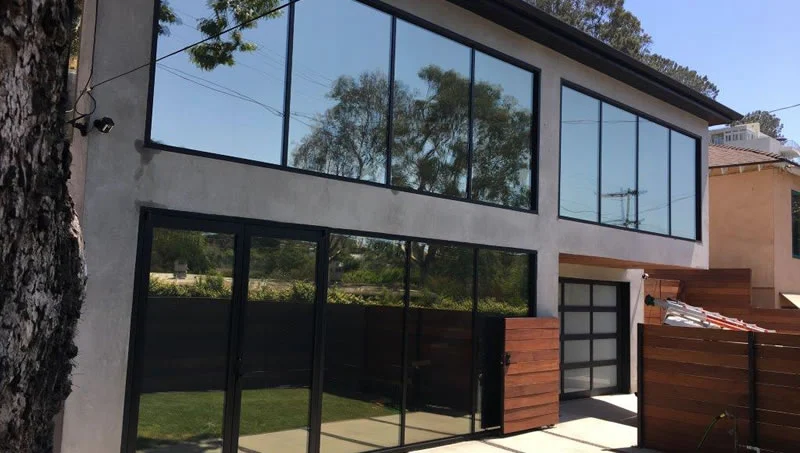 Boston
What Home Window Tinting Does in a Boston House
Residential film is a thin polyester layer applied to the inside of the glass. Depending on the product, it rejects part of the sun's infrared heat, blocks nearly all ultraviolet light, softens glare, adds daytime privacy or holds broken glass together. Most Boston homeowners call us about one of three things: a room that turns into an oven on summer afternoons, floors and furniture fading under a bay window, or a front room that feels exposed to the sidewalk.
What film does not do matters just as much here. It does not stop drafts from loose sashes, and it will not fix a rotted sill or a failed seal in a double-pane unit. In older Boston housing, those problems often sit right next to the ones film solves, so we point them out during the visit. A tint job on a window that leaks air around the frame still leaves you with a cold room.
Window Tinting for Brownstones, Triple-Deckers and Colonials
The glass in Boston homes varies more than in most American cities. A South End bowfront might have tall one-over-one sashes with old single-pane glass and interior storm panels. A Somerville or Jamaica Plain triple-decker usually has aluminum triple-track storms outside the prime windows, sometimes with replacement vinyl units behind them. A Newton or Needham colonial from recent decades probably has factory double-pane glass with a low-E coating already on it.
Each of those calls for a different film. Old single-pane glass takes most residential films well and gets the biggest change in comfort. Double-pane units need a film the glass can tolerate, since the inner pane heats up when film absorbs sunlight. Storm windows change the picture again, because film on the prime sash sits in an air pocket that can get warm in summer sun. We look at the actual windows before we suggest anything.
- Single-pane sashes in rowhouses and older triple-deckers
- Prime windows behind aluminum triple-track storms
- Factory double-pane and low-E units in suburban houses
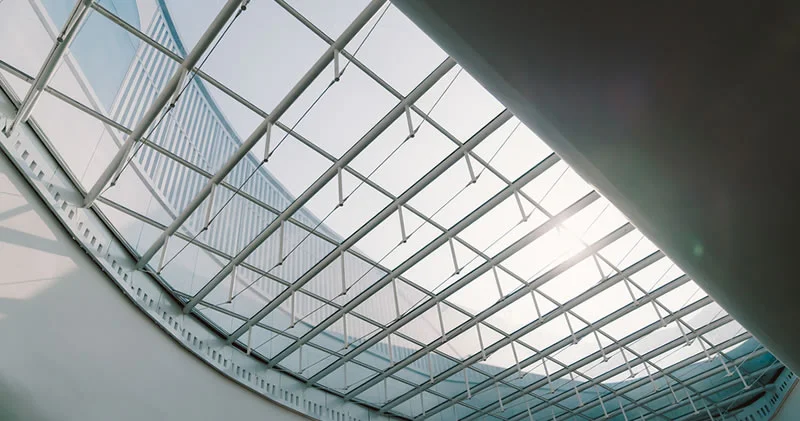
- Skylights and sunroom glass in renovated condos
Choosing a Tint Level for Boston's Long Winters
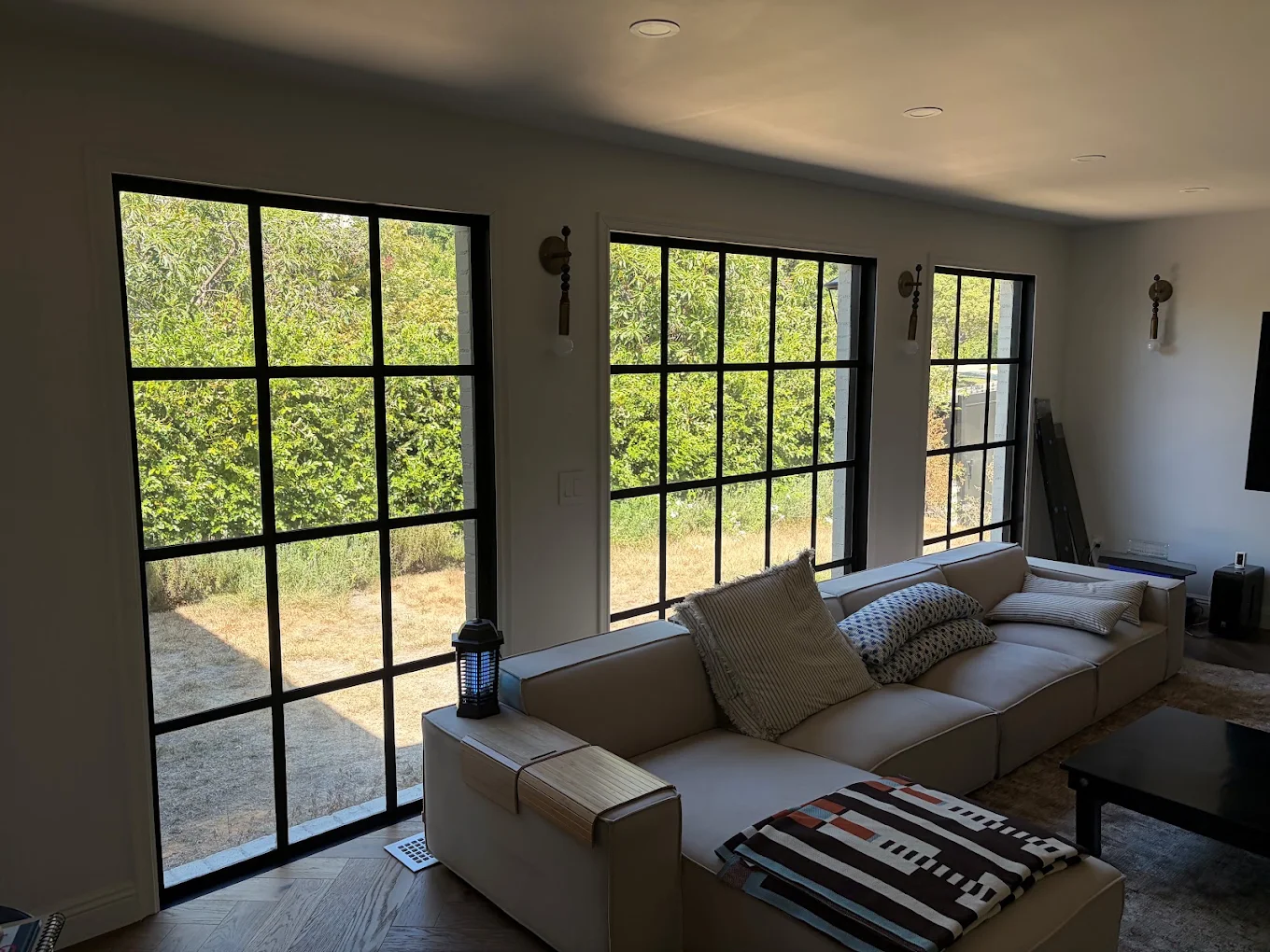
In a heating-dominated climate, darker is not automatically better. A south-facing living room in Brookline that collects real warmth from low winter sun can lose that free heat if the glass gets a heavy reflective film. For those rooms, we usually suggest a spectrally selective film that rejects infrared heat but lets most visible light through, or a low-E film that also slows heat escaping outward on cold nights.
West-facing bedrooms on the top floor of a triple-decker are another story. They take hard afternoon sun from June through September, the roof above them heats the ceiling, and there is often only a window air conditioner to fight back. Those rooms can handle a stronger film, and owners rarely miss the extra light. We often end up with two different films in the same house, one for summer problem rooms and one for the rest.
Condo Associations, Historic Commissions and Residential Tint
Many Boston homes are condos in converted rowhouses or small buildings, and the association's rules often cover anything visible from outside. A mirrored film on one unit of a Back Bay building would stand out from the street, which is exactly what associations and the city's architectural commissions want to avoid. Neutral, low-reflectance films look almost like untreated glass from the sidewalk.
If your building sits in a district reviewed by the Back Bay, Beacon Hill or South End commissions, ask commission staff whether your film choice needs review before you schedule. We can supply a spec sheet and a sample piece for the association or the commission file. Rear and side windows facing alleys are a common place to start, since those tend to be the problem rooms anyway.
Installing Home Window Film in Every Boston Season
We install residential film year-round. The work happens inside, so a January snowstorm does not stop it, though cold glass slows curing and a light haze can hang around for a while longer than it would in summer. Crews move furniture away from the windows, cover floors, remove interior storm panels where needed, clean each pane and apply the film. A typical house takes a day or less.
Afterward, leave the glass alone until the film clears, then clean it with a soft cloth and a cleaner that does not contain ammonia. Window blinds and shades can go back up immediately. If you have interior storm panels, we put them back as we found them.
Home Window Tinting Benefits for Boston Households
Cooler Top-Floor Rooms in Boston Summers
Heat-rejecting tint keeps west and south bedrooms from building up afternoon heat, so a window air conditioner can actually catch up. The difference shows most on the third floor of a triple-decker or in an attic conversion.
UV Window Tint That Slows Fading of Floors
Residential film blocks nearly all ultraviolet light. Hardwood under a bay window, upholstered chairs and framed prints hold their color far longer than they would behind bare glass, even in rooms that get sun all afternoon.
Daytime Privacy on Close Boston Streets
Light reflective or frosted tint keeps passersby and the neighbors across the alley from seeing straight into front rooms and bathrooms during the day, while you still see out.
Window Tint That Respects Historic Facades
Low-reflectance residential films look nearly clear from outside, which suits condo associations and the architectural commissions that guard how Back Bay and Beacon Hill streets look.
Home Window Tinting Questions From Boston Homeowners
Can tint go on windows that have storm windows outside?
Usually yes. We check the gap between the storm and the prime sash and the type of glass, since film on the inner window sits in a pocket that warms in sun. In most triple-deckers it works fine with the right film.
Will tinting make my Boston apartment darker in winter?
Only if you choose a dark film. Spectrally selective and many low-E films are close to clear, so short winter days stay as bright as before. Hold a sample against your own pane on a gray afternoon and decide from there.
Do I need condo association approval for home window tint?
Check your bylaws. Many associations regulate anything that changes how windows look from the street. Low-reflectance film is usually approved, and we can send specs and a sample.
How many years will residential window film hold up in Boston?
Interior film on house glass is built for a long service life, and the exact coverage period is printed in the film maker's warranty, which we hand over at the end of the job. Clean it gently with microfiber and a mild, ammonia-free spray, and keep scrapers and razor blades off it.
Can window tint stop my windows from feeling cold?
A low-E product bounces part of the room's radiant warmth back inside, so less of it escapes through the pane on cold nights. Drafts around loose sashes are a separate problem that weatherstripping or sash repair has to solve.
Window film quote
Book a Home Window Tinting Estimate in Boston
Use the quote form to say which rooms bother you and when they are worst, and attach rough window sizes and a few photos. Suggested films for each room and a price come back by email.
Prefer email? info@windowfilmboston.pro