
Low-E film for homes
Energy-Saving Window Film in Boston
In a city that heats for most of the year, energy-saving window film has to do more than block sun. The right film keeps warmth from leaking out through the glass on January nights and still trims the July cooling load.
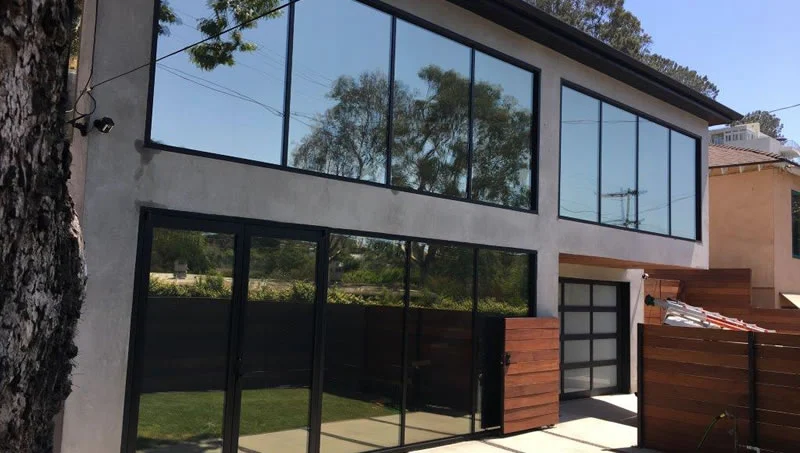 Boston
Where Boston Homes Lose Energy Through Windows
Glass is a weak spot in any envelope, and Boston's housing stock has a lot of old glass. Single-pane sashes in rowhouses, Victorian bay windows, and early replacement windows with clear double-pane glass all let heat escape on cold nights. Much of that loss is radiant: warm walls, furniture and people radiate heat toward the cold glass, which passes it outdoors. You feel it as a chill when you sit near the window, even if there is no draft.
In summer, the same glass lets solar heat in. West rooms, top floors and sunrooms bear the brunt. Many Boston homes pay Eversource for the electricity that runs air conditioners and, increasingly, heat pumps that handle both heating and cooling. Reducing what flows through the windows in both seasons lowers the load on whatever system you have.
How Low-E Window Film Saves Energy in Winter
Low-emissivity film has a thin metallic layer that reflects long-wave heat. Applied to the inside of the glass, it turns a share of the room's own radiant warmth around at the pane. The glass surface facing the room stays warmer, so sitting beside the window is more comfortable and the heating system has less to replace.
Many low-E films also reject solar heat in summer, so the same film works in both seasons. That dual action is why low-E film is our default energy recommendation for older Boston homes, rather than a standard solar film tuned only for hot climates. On north-facing glass, which gets little direct sun but loses heat all winter, low-E film is often the only film that makes sense.
- Reflects indoor radiant heat back into the room in winter
- Rejects part of the solar heat in summer
- Warmer glass surface and less chill near windows
- Blocks nearly all UV as a side benefit
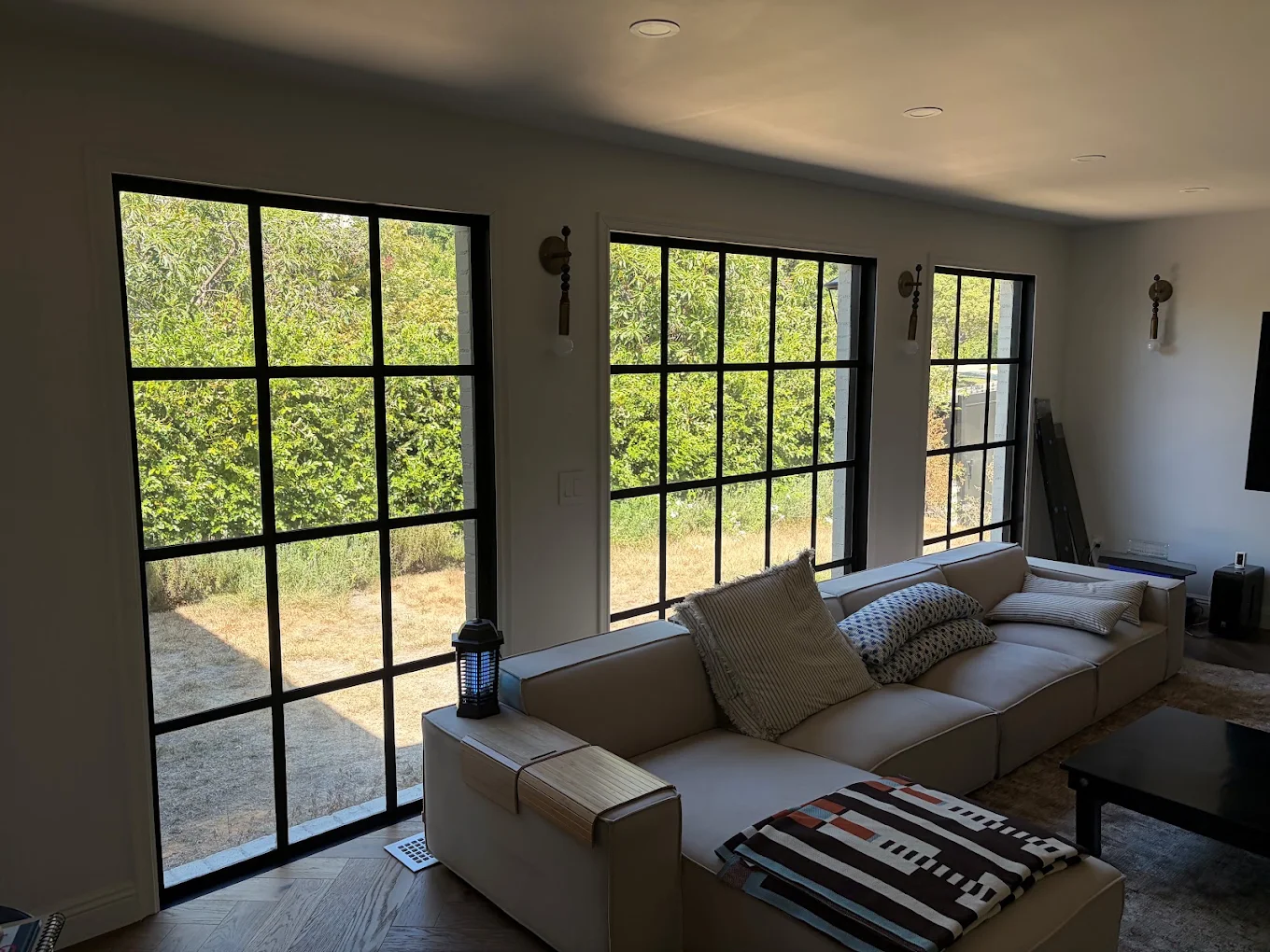
Energy Film Compared With Window Replacement
Replacing windows is the bigger, more thorough fix, and in some houses it is the right call. It also means major cost, disruption, and in historic districts like Beacon Hill or the South End, review of new windows by the architectural commission. Many owners want to keep original sashes for good reasons: the look, the craftsmanship and the old-growth wood that still works when maintained.
Film is a lighter step. It goes on existing glass in a day, keeps the original windows, and leaves the facade looking almost unchanged. It will not fix air leaks, so pairing film with weatherstripping, sash repair or interior storm panels gets the most out of an old window. We will tell you if a window is in bad enough shape that film is not worth the money.
Energy-Saving Film on Double-Pane and Storm Windows
Not every window is a good candidate. Sealed units with a low-E coating applied at the factory gain less from added film, and some film and glass combinations raise thermal stress, particularly when the outer pane is cold and the inner pane is warmed by sun. We identify the glass and compare it with the film maker's guidance before we suggest a product.
Storm windows add another layer of detail. In a triple-decker with exterior storms in Dorchester or Somerville, film on the prime sash sits between two panes, and we check how much that space will heat in summer. In many cases it works well. Mass Save, the statewide efficiency program, runs home energy assessments, and an assessment report can be a useful guide to which improvements matter most in your house.
Energy-Saving Window Film Benefits for Boston Homes
Low-E Film That Holds Winter Heat
Low-E film reflects room heat back inside, so less warmth escapes through the glass on cold nights. Rooms with lots of old glass feel more even from wall to window.
Lower Summer Cooling Load on Window Glass
The same film rejects part of the solar heat on west and south windows, which eases the work for window units, central air and heat pumps in July and August.
Keep Original Windows With Energy Film
Film improves old sashes without replacing them, a practical choice for historic homes where new windows need commission review and the originals are worth saving.
Warmer Seats Next to Boston Windows
A warmer inner glass surface means less of that cold radiant chill near windows, so the reading chair or desk by the glass gets used through winter.
Energy-Saving Window Film FAQs for Boston Homeowners
Does window film really help with heating bills in Boston?
Low-E film reduces radiant heat loss through glass, which lowers the heating load from windows. The effect is largest on old single-pane glass and smallest on modern low-E windows. It does not stop drafts.
Is low-E film better than solar film in Boston?
For most homes here, yes, because it works in both seasons. Solar-only films mostly help in summer and can cut useful winter sun on south windows.
Can energy-saving film go on windows with storms?
Usually. We check the space between the storm and the main window and pick a film that suits that arrangement.
Does a Beacon Hill or South End house need approval for energy film?
Low-E films that look close to clear usually change little from the street, but the Back Bay, Beacon Hill and South End commissions review exterior changes. Ask commission staff before installing on front windows.
Energy-Saving Window Film Service Areas in Boston
Window film quote
Get an Energy-Saving Window Film Quote in Boston
Use the quote form to list your windows, their direction and glass type if known, and whether you have storm windows. We will recommend a film and price the job.
Prefer email? info@windowfilmboston.pro